How to Make Your Own CapCut Template and Share It Online
Have you ever wondered who creates the CapCut templates that go viral? Many of them are made by everyday creators just like you. This guide shows you how to make a CapCut template and share it with others online.
You will learn what a template creator is, how to qualify, how to build a template and how to publish it. We also share design tips, trend ideas and ways to help your template get more uses. The team at getcapcutapk.in/ has studied popular templates to understand what makes them work.
Making templates is a fun way to share your style and grow your audience. When people use your template, your name can appear on their videos. For an overview of the app, visit our CapCut Pro APK home page.
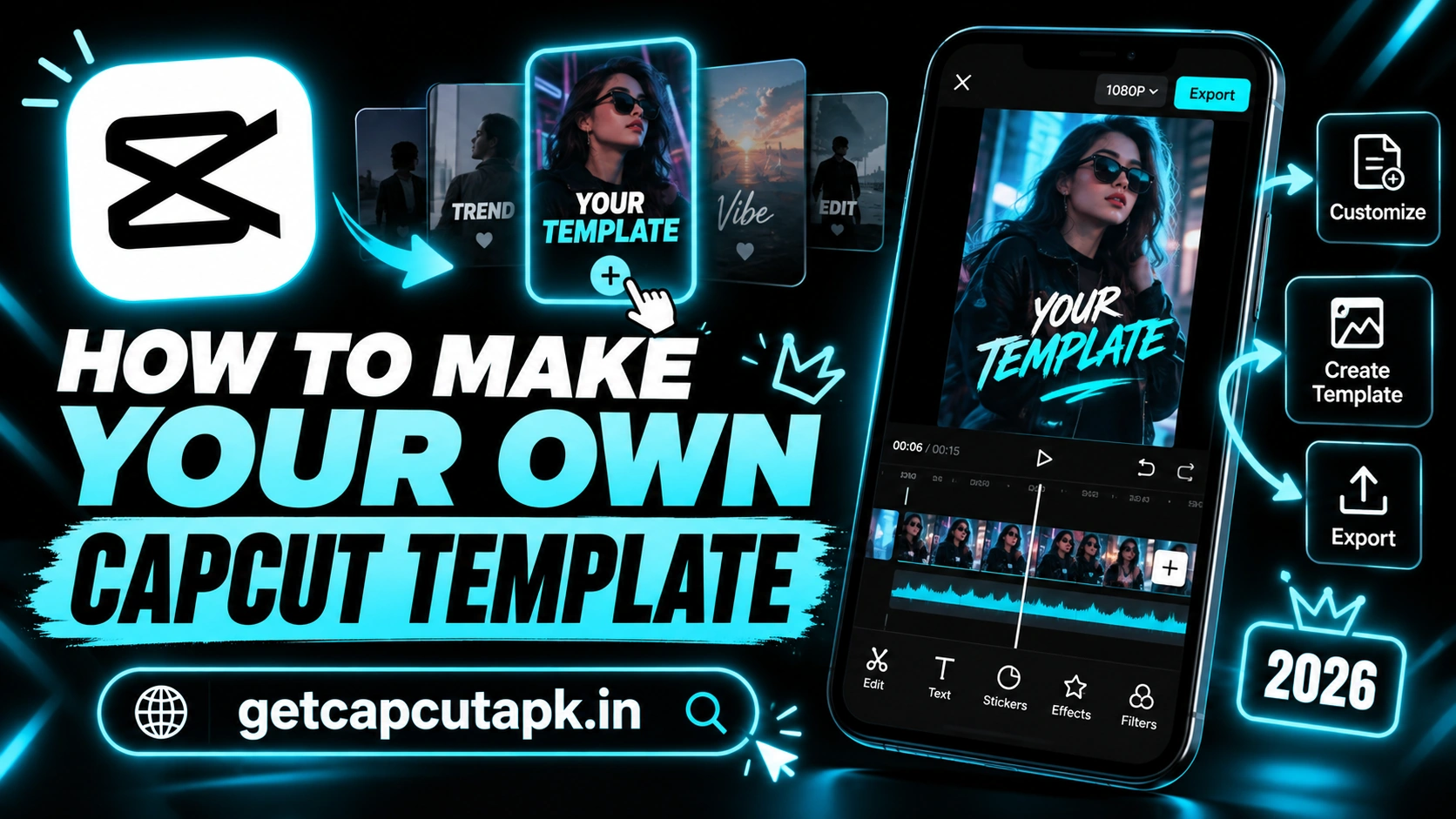
What Is a CapCut Template Creator?
A template creator is a CapCut user who can publish templates for others to use. Their templates appear in the CapCut template feed and on TikTok. Other users can then add their own clips to the design.
Template creators often have a badge or special access in the app. They can see how many people used their templates. Some regions also offer rewards or creator programs.
Access to template creation can depend on your region, account and app version. CapCut may ask you to apply or meet certain requirements. The rules can change, so check the latest details in your app.
Requirements to Become a Template Creator
Requirements differ by region and can change over time. In general, CapCut looks for active creators with good content. Here are common requirements.
| Requirement | What It Usually Means |
|---|---|
| CapCut account | A signed-in account, often linked to TikTok |
| Minimum age | Meet the age rules in the app terms |
| Supported region | Template creation is available where you live |
| Active profile | Some regions look at your TikTok activity |
| Original content | Your templates must follow community rules |
Some regions use an application form or an invite system. Others show a Create template option directly in the app. Look in your profile, settings or the template section for creator options.
How to Apply to Be a Template Creator
If your region uses an application process, the steps are usually simple. Follow what your app shows, since details can change. Here is a general guide.
- Open CapCut and sign in to your account.
- Go to your profile or the Templates section.
- Look for Become a creator or Template creator.
- Read the requirements and terms.
- Fill in any form and submit it.
- Wait for approval, which may take some time.
If you do not see these options, template creation may not be open in your region yet. Keep your app updated and check again later. You can still practice building template-style videos in the meantime.
Plan Your Template Before You Build It
A good template starts with a clear idea. Planning saves time and helps your template look polished. Think about these points before you start.
Pick a Trend or Theme
Popular templates often follow viral songs, challenges or seasons. Others focus on evergreen themes like birthdays, travel or love. Choose a theme that many people will want to use.
Choose the Music
Music sets the timing and mood of your template. Pick a song with clear beats if you plan fast cuts. Make sure the song is available in the CapCut library for your region.
Decide the Clip Count
Most popular templates use between 3 and 15 clips. Fewer clips make the template easier to use. More clips work well for photo dumps and recaps.
How to Build a CapCut Template Step by Step
Once you have access and a plan, you can build your template. You create it like a normal project, then mark which parts users can replace. Here is a general guide.
Step 1 Create a New Project
- Open CapCut and tap New project.
- Add placeholder clips or photos in the order you want.
- Set the ratio, usually 9:16 for TikTok and Reels.
Step 2 Add Music and Mark Beats
- Tap Audio and add your chosen song.
- Tap the music track and choose Beats.
- Mark the beats where clips should change.
Step 3 Edit to the Beat
- Trim each clip to end on a beat mark.
- Add transitions between clips.
- Add effects, filters and speed changes as needed.
Step 4 Add Text
- Tap Text to add titles or captions.
- Use clear, editable text so users can change it.
- Add simple animations for style.
Step 5 Publish as a Template
- Look for Create template or Template in the export or project menu.
- Mark which clips users can replace.
- Set which text users can edit.
- Add a title, tags and a cover image.
- Tap Publish or Submit.
The exact menu names can vary by version and region. Follow the prompts in your app. Some templates go through a review before they appear in the feed.
Design Tips for Popular Templates
The best templates are easy to use and look great with any clips. A few design rules help your template succeed. The team at getcapcutapk.in/ noticed these patterns in many viral templates.
- Keep the template short, usually 7 to 20 seconds
- Use strong beat sync for satisfying cuts
- Make effects work well with many types of clips
- Avoid tiny details that only fit your original clips
- Use editable text so users can personalize it
- Choose a cover that shows the style clearly
Make It Flexible
Users will add very different clips, from selfies to landscapes. Effects that depend on a specific shot may look odd. Use flexible effects like zooms, flashes and color changes.
Test With Different Clips
Before you publish, test your template with different photos and videos. Try bright and dark clips, faces and scenery. Fix anything that looks off.
How to Help Your Template Get More Uses
Publishing a template is only the first step. Getting people to use it takes some promotion. Here are simple ways to boost your template.
| Method | How It Helps |
|---|---|
| Post on TikTok | Shows the template link to your followers |
| Use trending sounds | Matches what people are searching for |
| Clear title and tags | Helps people find it in search |
| Eye-catching cover | Gets more taps in the feed |
| Post at the right time | Catches the trend early |
When you post a video made with your template on TikTok, add the template link. Viewers can tap it to try your template. Each use can help your template spread further.
How to Choose a Good Template Cover
The cover is the first thing people see in the template feed. A strong cover gets more taps and more uses. Here is how to choose one.
- Pick a frame that shows the main effect clearly
- Use a bright, sharp image
- Avoid covers with too much text
- Show a face or subject that grabs attention
- Make sure the cover matches the mood of the template
Test a few cover options if your app allows it. Compare which ones feel most clickable. A small change can make a big difference in uses.
How to Name and Tag Your Template
A clear name and good tags help people find your template in search. Think about the words users type when they look for templates. Use those words in your title and tags.
| Element | Tip | Example Idea |
|---|---|---|
| Title | Short and clear | Birthday photo dump |
| Song tag | Use the song or trend name | Name of the trending sound |
| Theme tags | Add mood and occasion | love, travel, friends |
| Clip count | Mention it if allowed | 5 photos |
Avoid misleading titles that do not match the template. Users may skip or report it. Honest titles build trust and repeat users.
How to Track Your Template Results
Once your template is live, you can often see how many people used it. These numbers help you learn what works. Use them to improve your next template.
Look for stats in your profile or creator section. Compare templates with different songs, lengths and styles. Make more of what your audience loves most.
Keep a simple note of each template you publish and how it performed. Over time, you will see clear patterns in what people like. This makes every new template a little more successful.
Template Ideas to Try
Need inspiration for your first template? Here are some ideas that often perform well. Try one and make it your own.
- Photo dump with fast beat cuts
- Birthday countdown with editable name text
- Before and after with a smooth transition
- Travel recap with location text
- Friends memories with soft effects
- Outfit change with flash transitions
- Gaming highlight for montages
Seasonal templates also do very well. Plan templates for holidays, school events and new year recaps. Publish them a little early so they are ready when demand grows.
Rules to Follow as a Template Creator
CapCut has community rules that every creator must follow. Breaking them can lead to removed templates or lost access. Here are the key points.
- Use only music and content you are allowed to use
- Avoid harmful, hateful or adult content
- Do not copy other creators’ templates exactly
- Follow local laws and platform rules
- Respect privacy and do not use other people’s photos without consent
Following these rules keeps your account safe and your templates live. It also helps build a positive reputation. Good creators often get more visibility over time.
What If You Cannot Create Templates Yet?
If template creation is not available in your region, you can still practice. Build template-style videos as normal projects. Share them on TikTok and Reels to grow your audience.
You can also save your favorite edit as a draft and reuse it. Duplicate the project and replace the clips for each new video. This works like a personal template.
Learning the skills now prepares you for when creator access opens. Study popular templates and recreate their timing. Read our main CapCut templates guide for ideas.
Common Problems and Fixes
A few issues can appear when you create templates. Most of them have simple fixes. The table below lists common ones.
| Problem | Fix |
|---|---|
| Create template option missing | Check region access and update the app |
| Template not approved | Review content rules and try again |
| Music not available | Use a song from the CapCut library |
| Users cannot replace clips | Mark clips as replaceable before publishing |
| Template looks bad with other clips | Use more flexible effects |
Key Takeaways
Here are the most important points from this guide on making templates. Keep them in mind for your next project. They cover the steps that make the biggest difference.
- Check if creator access is open in your region
- Keep templates short and flexible
- Use editable text so users can personalize
- Promote your template with a TikTok link
Conclusion
Making your own CapCut template is a great way to share your style and grow your audience. Check whether creator access is available in your region and apply if needed. Then plan your theme, pick music and build your template to the beat.
Keep your template short, flexible and easy to use. Test it with different clips and add editable text. Promote it on TikTok with the template link to get more uses.
For more template guides and creative tips, keep visiting getcapcutapk.in/. Also learn how to use CapCut templates to study what makes them work. Happy creating.
Frequently Asked Questions
Template creation depends on your region, account and app version. Some regions use an application process. Check your app for creator options.
Most popular templates are between 7 and 20 seconds. Short templates are easier to use and share. Longer templates suit recaps and memories.
Some regions offer creator programs or rewards. Details depend on your location and current CapCut policies. Check the creator section in your app.
New templates may go through a review first. Make sure your template follows all content rules. It may take some time to appear.
Template creation options are mainly found in the mobile app. Some features may also appear on desktop in certain regions. Check the latest version of each app.